



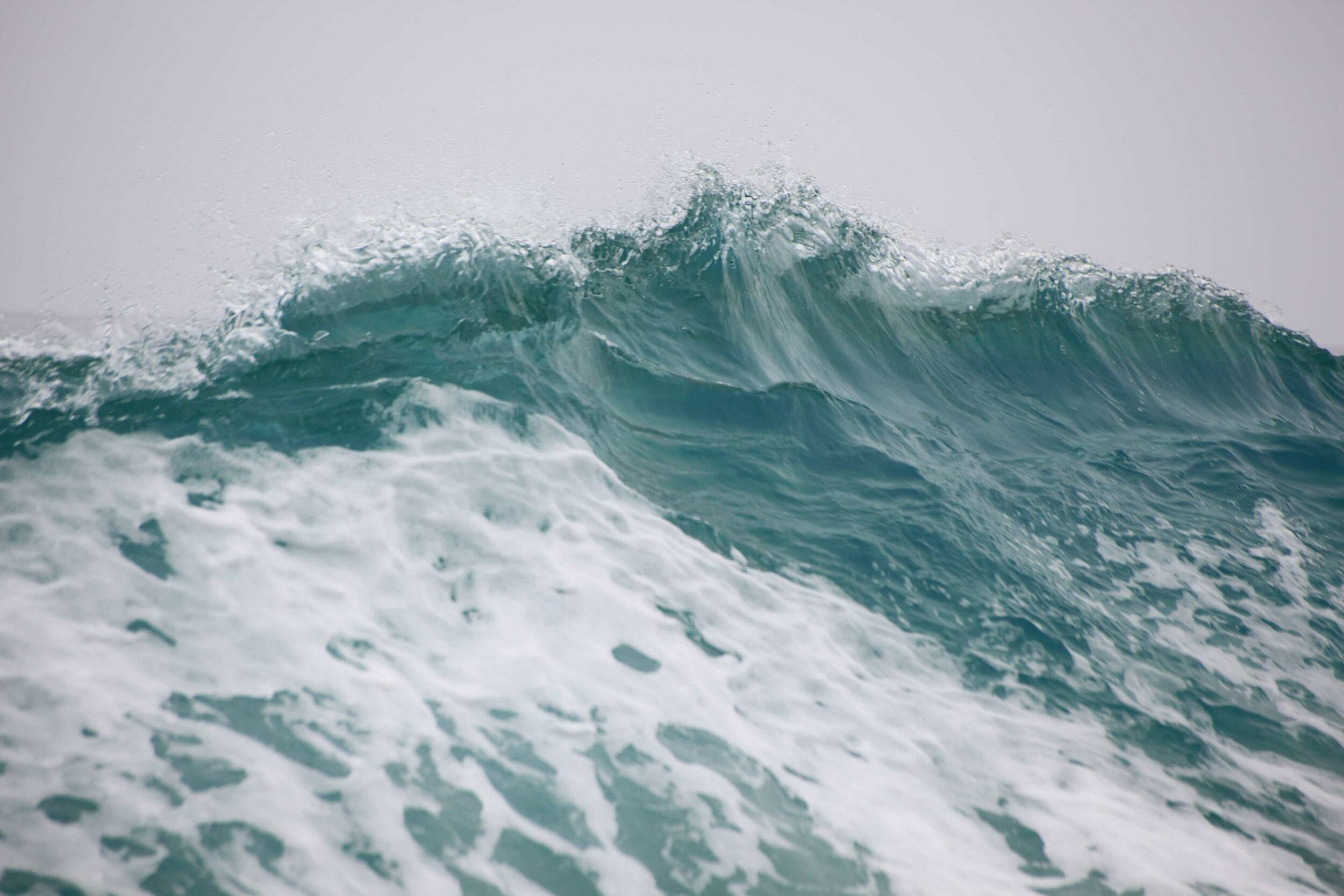
The importance of oceans in the world cannot be underestimated, nor should it be assumed that because their surface covers a large portion of the Earth we will have sufficient resources to continue mistreating them. Knowing that they provide 50% of the oxygen we breathe, as well as food and livelihoods for billions of people, oceans have become essential habitats and spaces due to their role in global atmospheric and thermal regulation; at the same time, they serve as key tools for mitigating the effects of climate change. In summary, oceans are a fundamental ally in addressing the development of climate change, and every possible effort must be made to protect them.
At present, vast regions in different parts of the world have suffered the effects of climate variability, with one of the most significant recorded events likely being the El Niño phenomenon. Although originating in the Pacific Ocean, it affects oceans worldwide and is expected to impact 60 million people during 2016, worsening regions experiencing excessive rainfall and, conversely, increasing drought conditions in other areas, thereby intensifying the hardship caused during 2015.
Even though some of us have a broad understanding of what this represents, while others, such as specialists and technicians, have detailed knowledge of the subject, and despite the existence of numerous international organizations dedicated to protecting these interests, we continue to degrade oceans through the destruction of habitats and biodiversity, particularly through overfishing and pollution. It is concerning that recent statistics indicate that by 2025, for every three kilograms of fish, there will be one kilogram of various types of waste.
In addition to reducing greenhouse gas emissions to combat climate change in general, it is essential to consider the restoration of the world’s oceans. Currently, there are the so-called 17 Sustainable Development Goals, a United Nations program through which world leaders have committed to ending overfishing, eliminating illegal fishing, establishing protected marine areas, reducing plastic waste and other sources of marine pollution, and increasing the resilience of oceans.
Although the United Nations has this program, which establishes a roadmap for ocean recovery, the question surrounding this issue, similar to the global commitment under the 2015 Paris Climate Agreement, is: how far and how quickly can these goals be achieved? How can these ambitious objectives be translated into concrete actions and effective collaboration?
In the case of oceans, the situation is intensified by the weak and fragmented state of ocean governance; in other words, there is no international body specifically responsible for promoting, monitoring, and measuring these Sustainable Development Goals.
In this regard, the governments of Fiji and Sweden called for a conference to address ocean and marine issues in 2017. Their proposal was supported by 95 countries and unanimously adopted by the United Nations General Assembly. This conference, to be held in Sweden approximately one year later, seeks to provide an assessment of the situation, review the objectives achieved by that time, and simultaneously promote greater cooperation between the public and private sectors.
Successfully translating these objectives into real actions and fruitful results would represent an extremely encouraging advancement, strengthening efforts to protect oceans. The entire scenario appears promising and represents a good beginning, probably somewhat — perhaps significantly — late, and at a time when there may no longer be a point of reversal. Nevertheless, many of us hope that from now on and in the future, oceans will once again regain the central role they deserve and continue to serve as sources of life for humanity.
